
Plastic waste is among the world’s most persistent environmental threats. Global production has risen sharply since the early 2000s, reaching over 400 million tonnes per year by 2022. Most plastic products are used briefly, yet can take centuries to decompose.
Each year, humanity generates more than 350 million tonnes of plastic waste. Less than ten percent is recycled; most is landfilled, incinerated, or mismanaged. Large volumes leak into rivers, lakes, and oceans, where they accumulate and cause long-term ecological damage.
These global trends are not abstract. In Goma, eastern Democratic Republic of the Congo, plastic waste is visible in streets, markets, and waterways — part of daily life in a city under pressure.
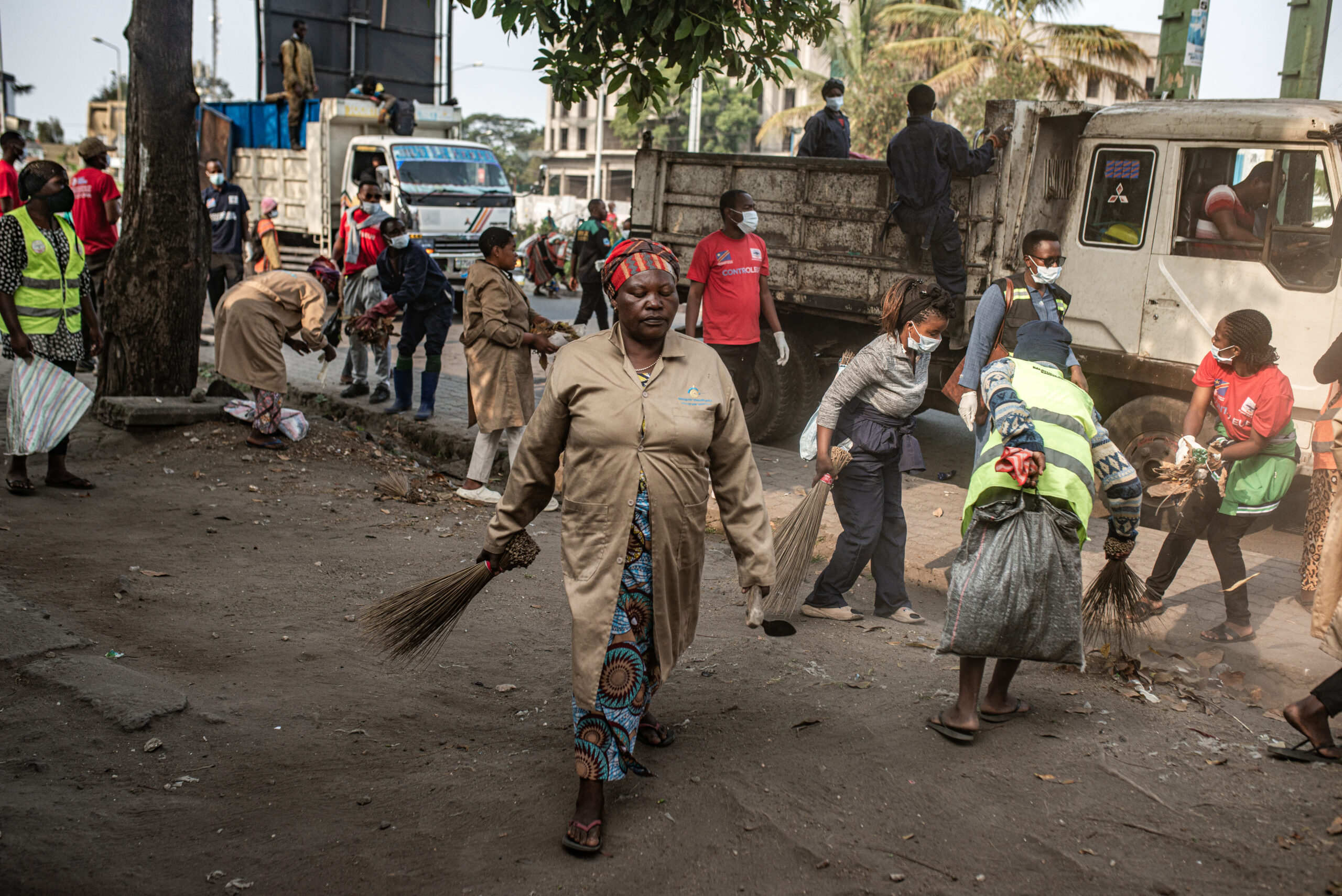
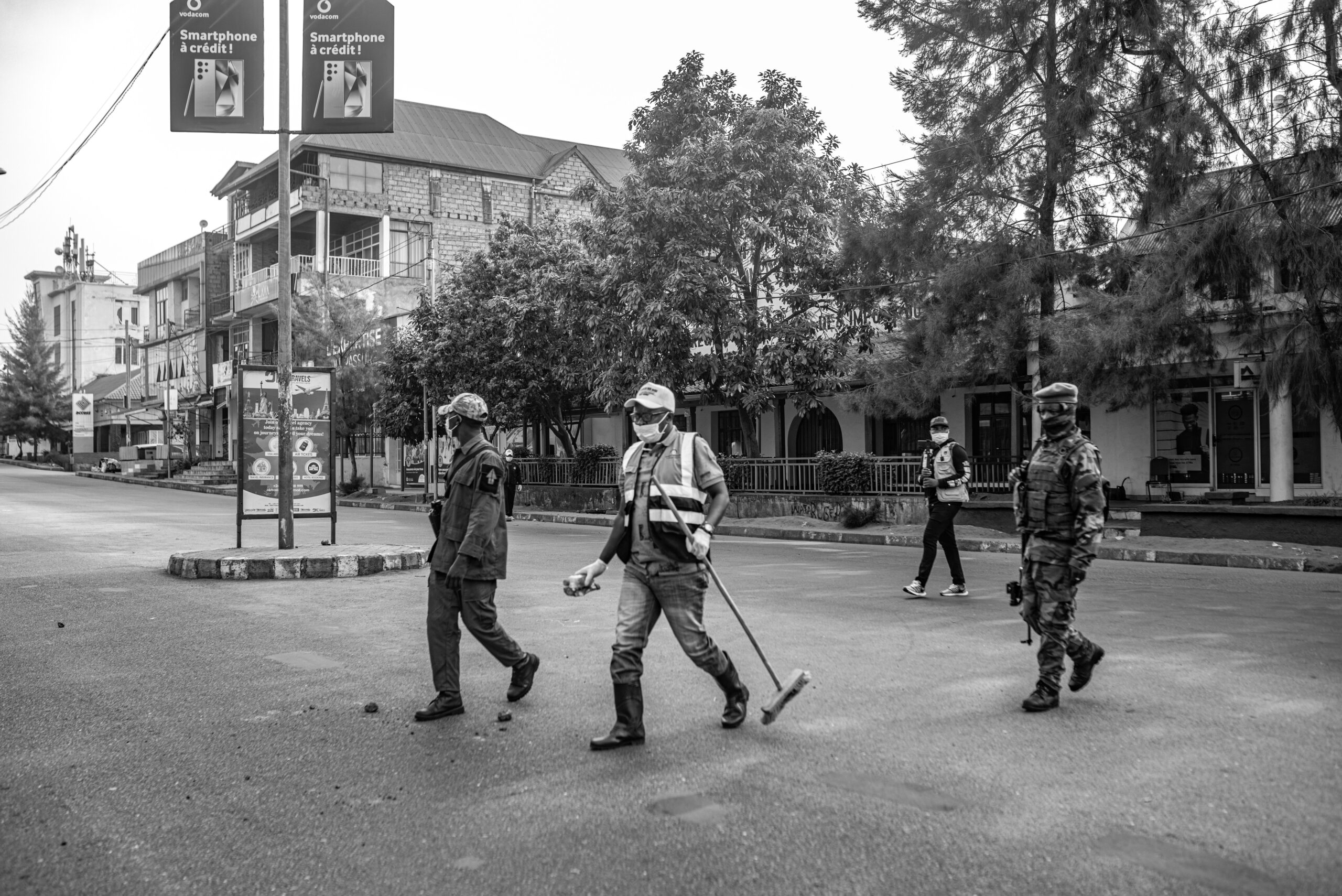
Since the M23 rebel group took control of Goma in late January 2025, local authorities have intensified sanitation measures. Every Saturday morning, residents must take part in Salongo, community work focused on cleaning streets and drainage channels.
Households also pay a monthly sanitation fee: 6,000 Congolese francs in Karisimbi and 15,000 francs in Goma commune. After completing Salongo, participants receive a token — a jeton — which serves as proof of compliance. The city’s leadership has made the campaign highly visible.
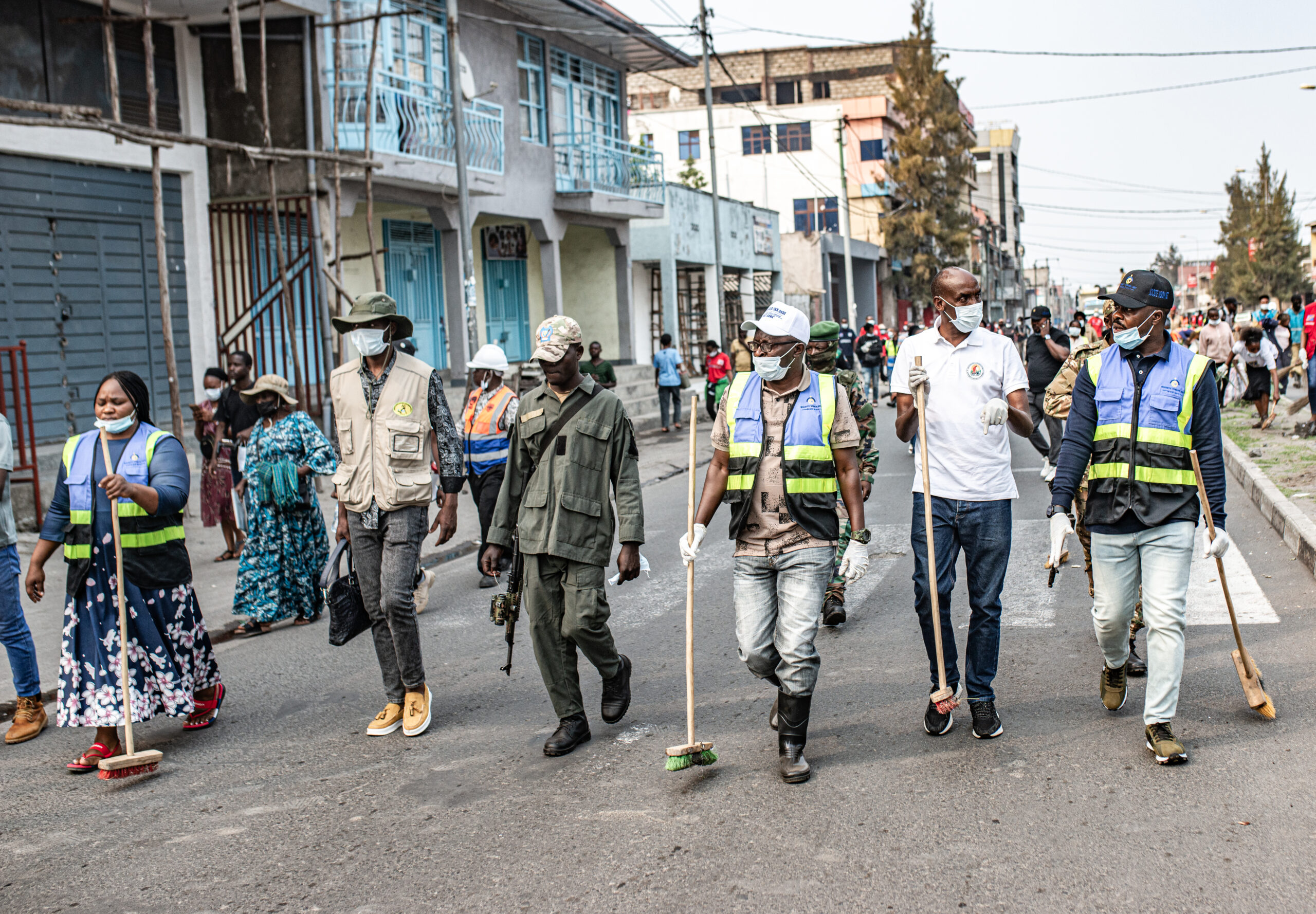
In some areas, streets appear cleaner and drainage channels clearer. The mayor’s personal involvement has been widely noted — both as an appeal to civic responsibility and as a symbol of authority.
Despite these efforts, waste collection remains limited. Trucks collect plastic gathered during Salongo only once a week, rotating between neighbourhoods. In a fast-growing city, plastic waste accumulates far more quickly.
As a result, piles of collected rubbish often remain along roadsides or are moved to informal dumping sites.
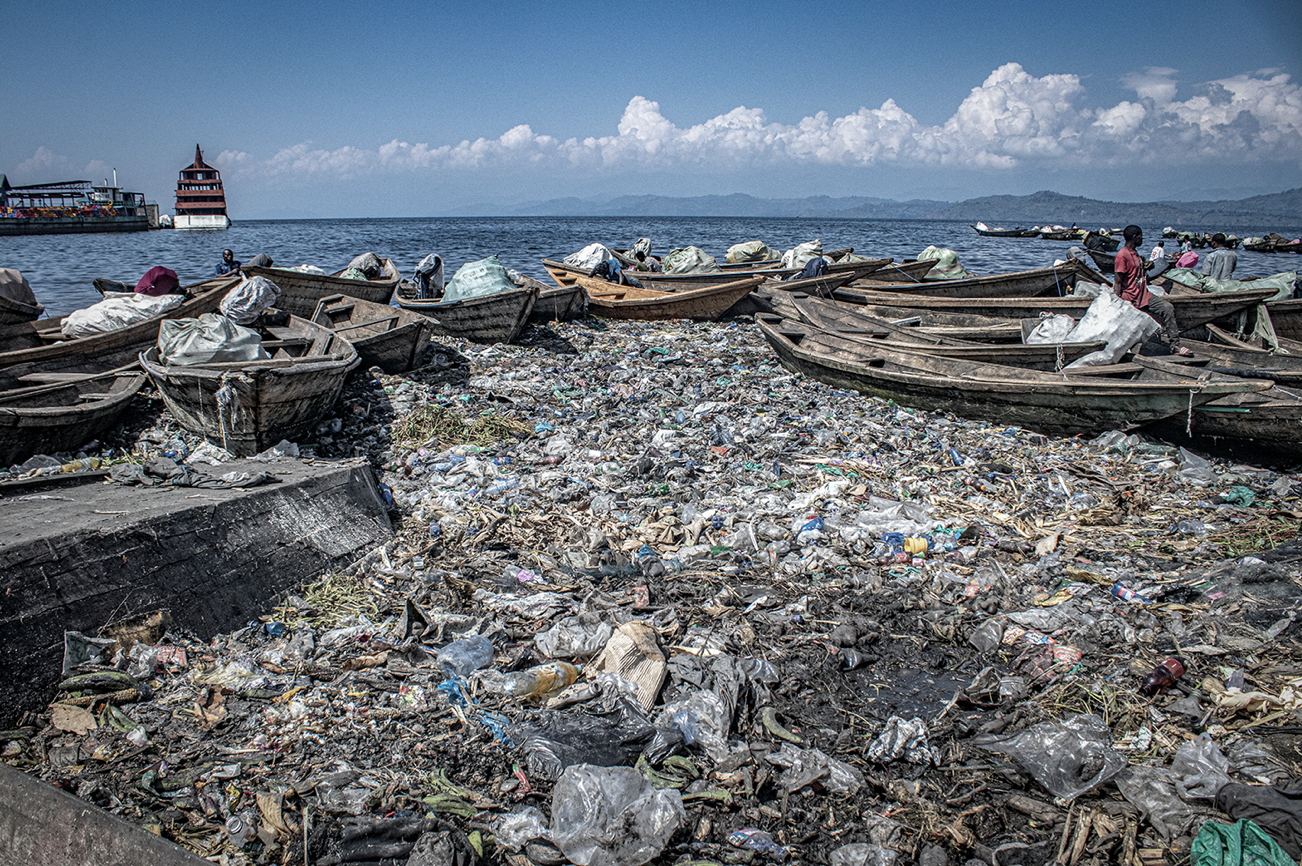
Most clean-up efforts focus on streets and markets. Lake Kivu, a critical resource for fishing, transport, and tourism, remains largely unprotected.
Mismanaged waste from households and informal dumpsites is frequently washed into drainage channels that flow directly into the lake. Environmental activists warn that without a clear strategy for Lake Kivu, plastic pollution will continue to threaten fisheries, livelihoods, and public health.
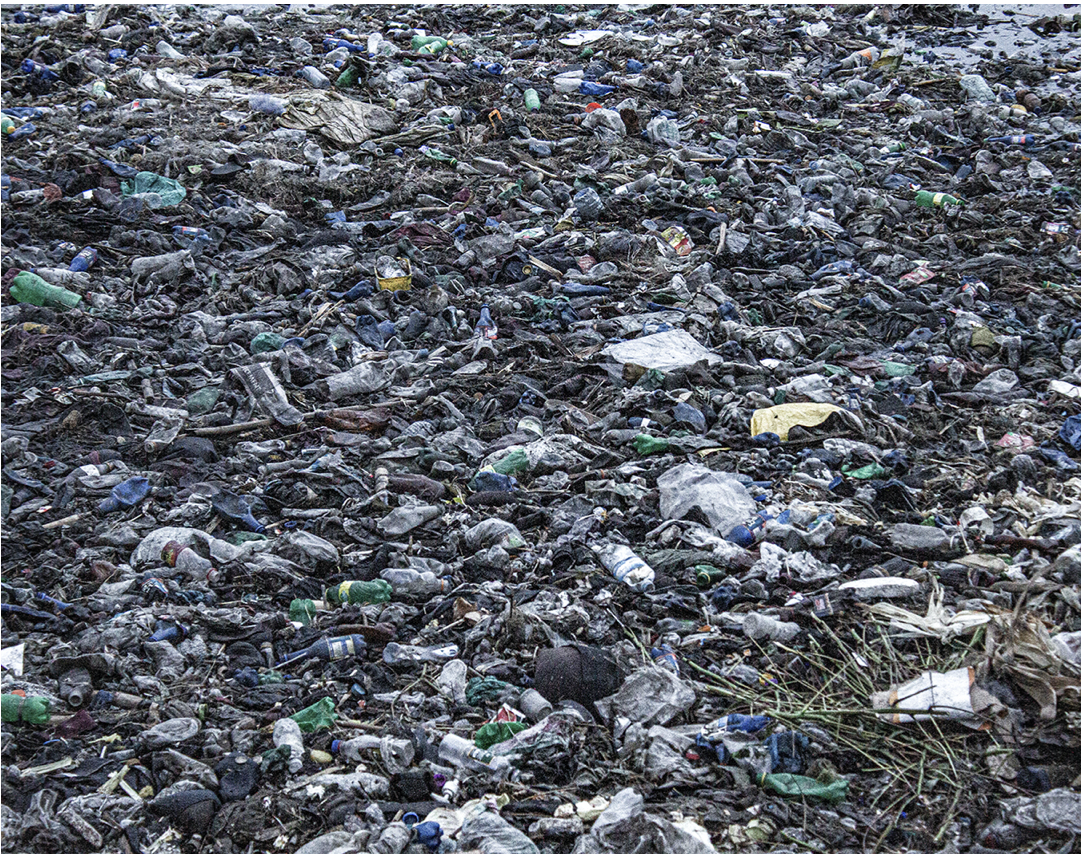
Alongside official efforts, local organisations have developed practical responses. In several neighbourhoods, plastic waste is collected and transformed into plastic paving stones, reducing pollution while creating income.
Many residents — especially young people — spend hours searching dumpsites for plastic, which they sell to small recycling initiatives.
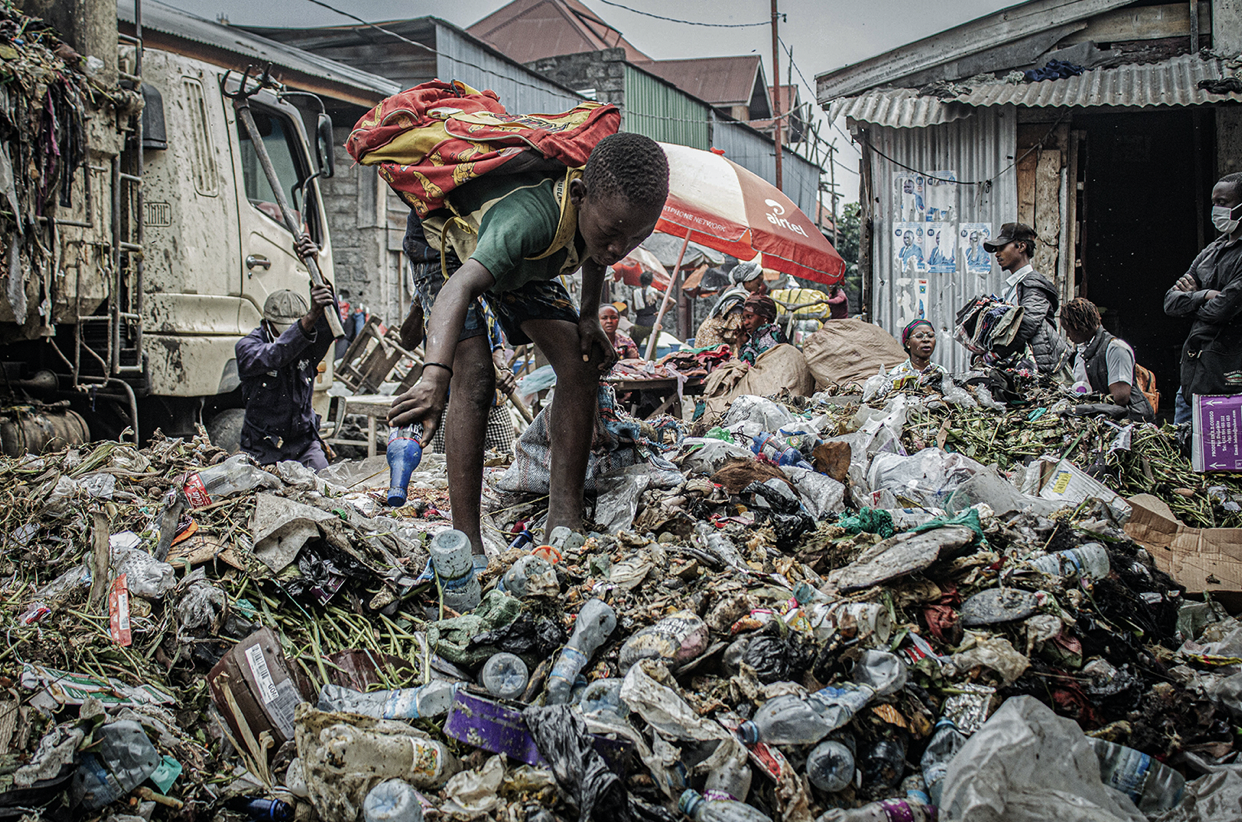
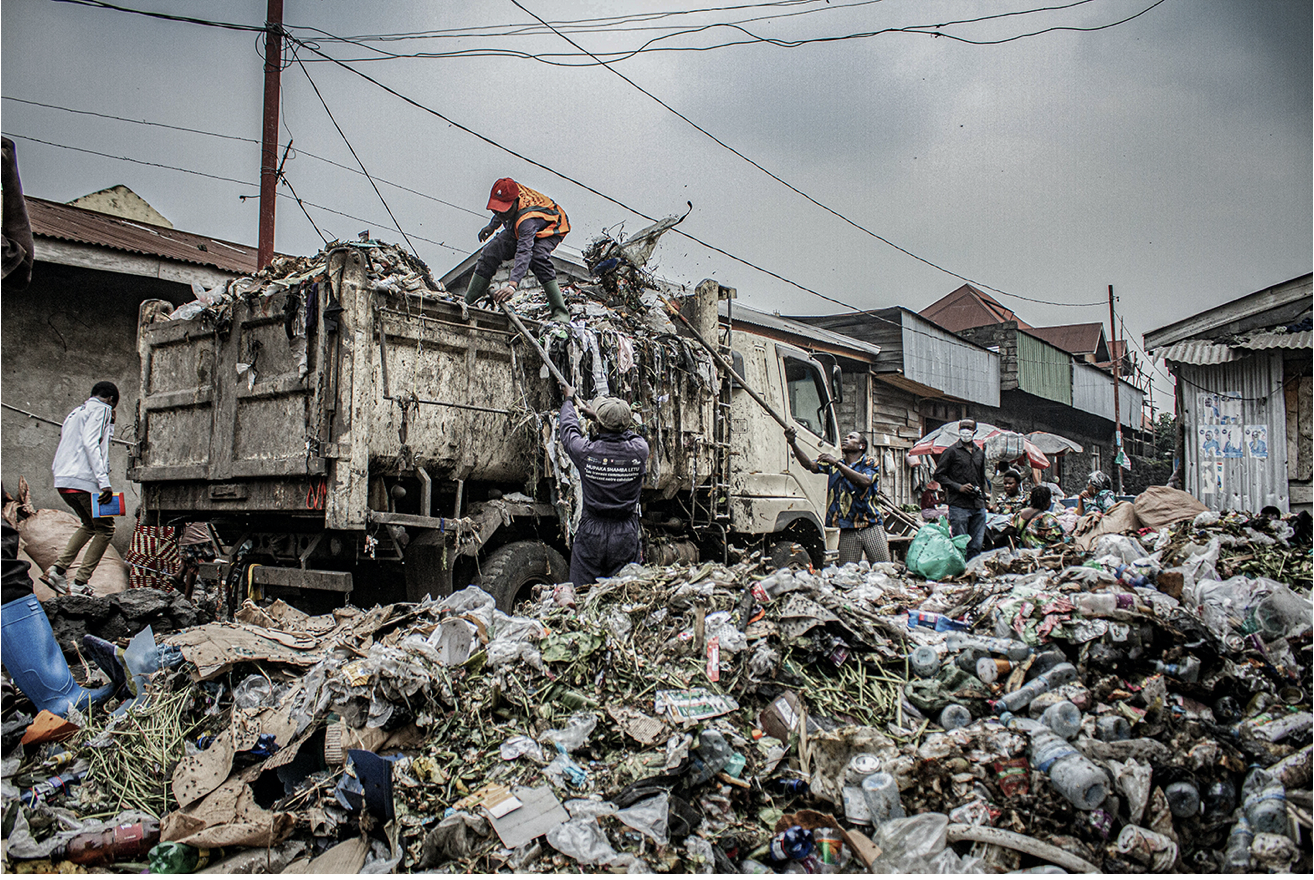
These recycling initiatives face structural limits. Plastic remains deeply embedded in daily life, affordable alternatives are scarce, and public awareness of waste reduction remains low. As a result, recycling capacity struggles to keep pace with the volume of plastic generated.
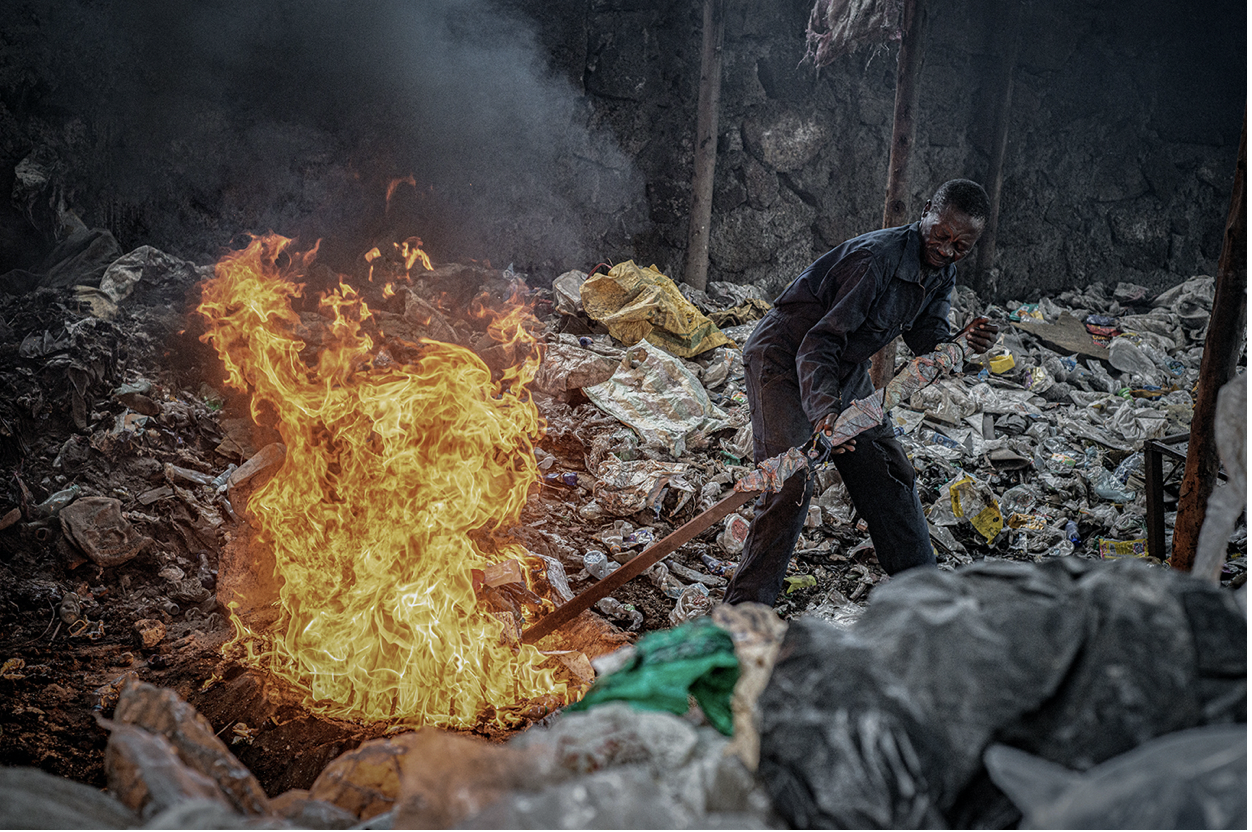
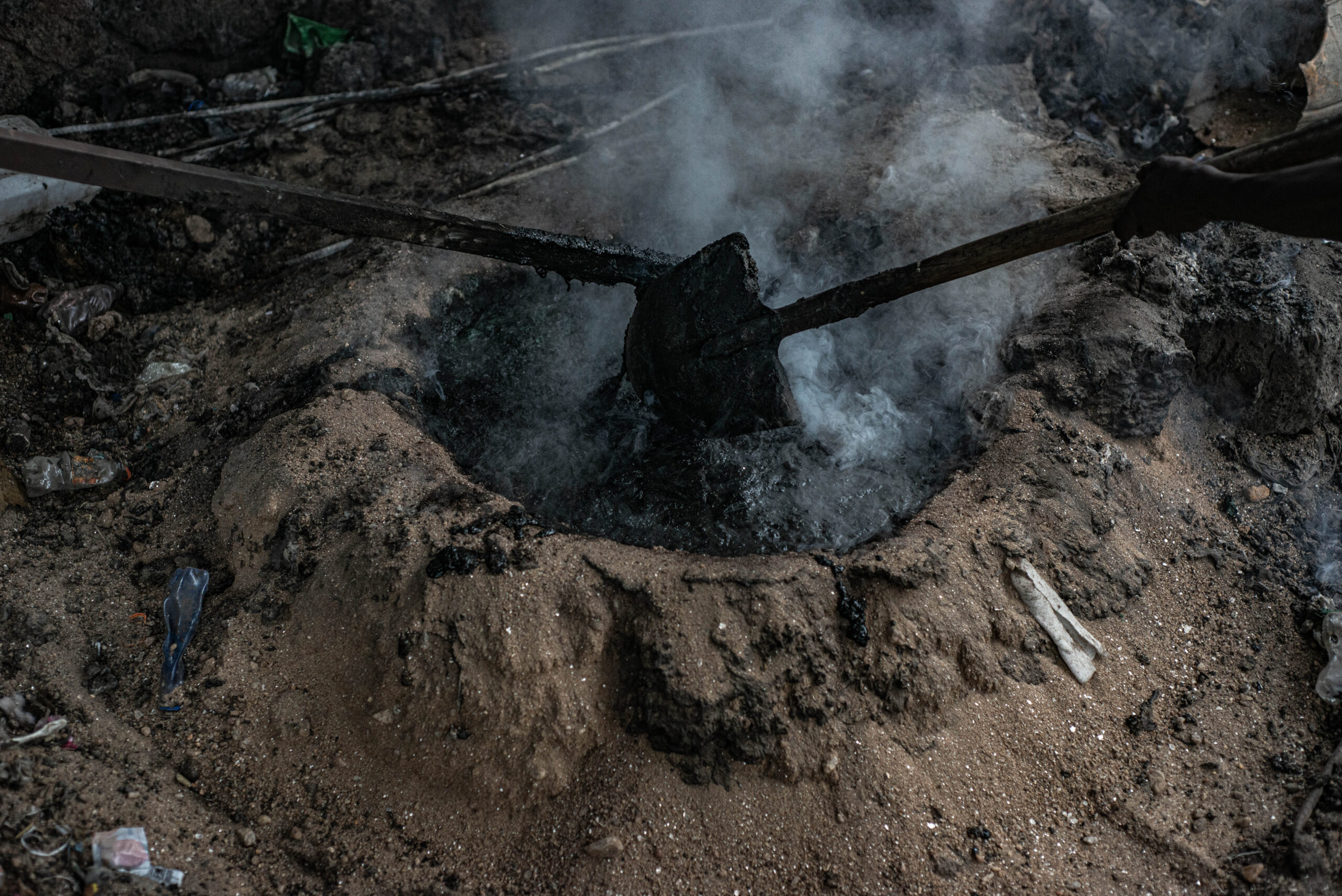
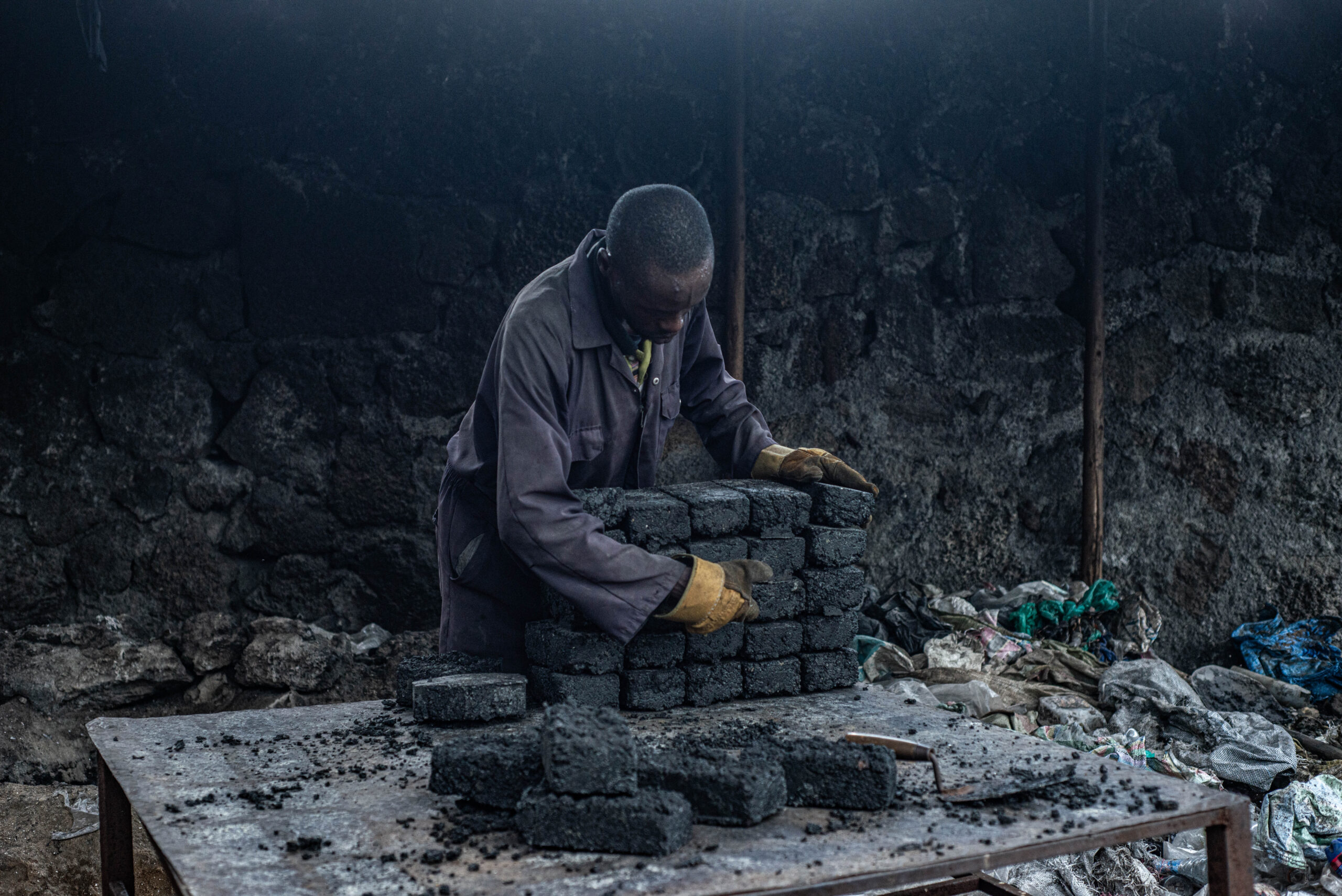
Plastic pollution in Goma reflects a broader global imbalance: regions that contribute least to plastic production often suffer most from its consequences. Children and displaced families are among those most exposed.
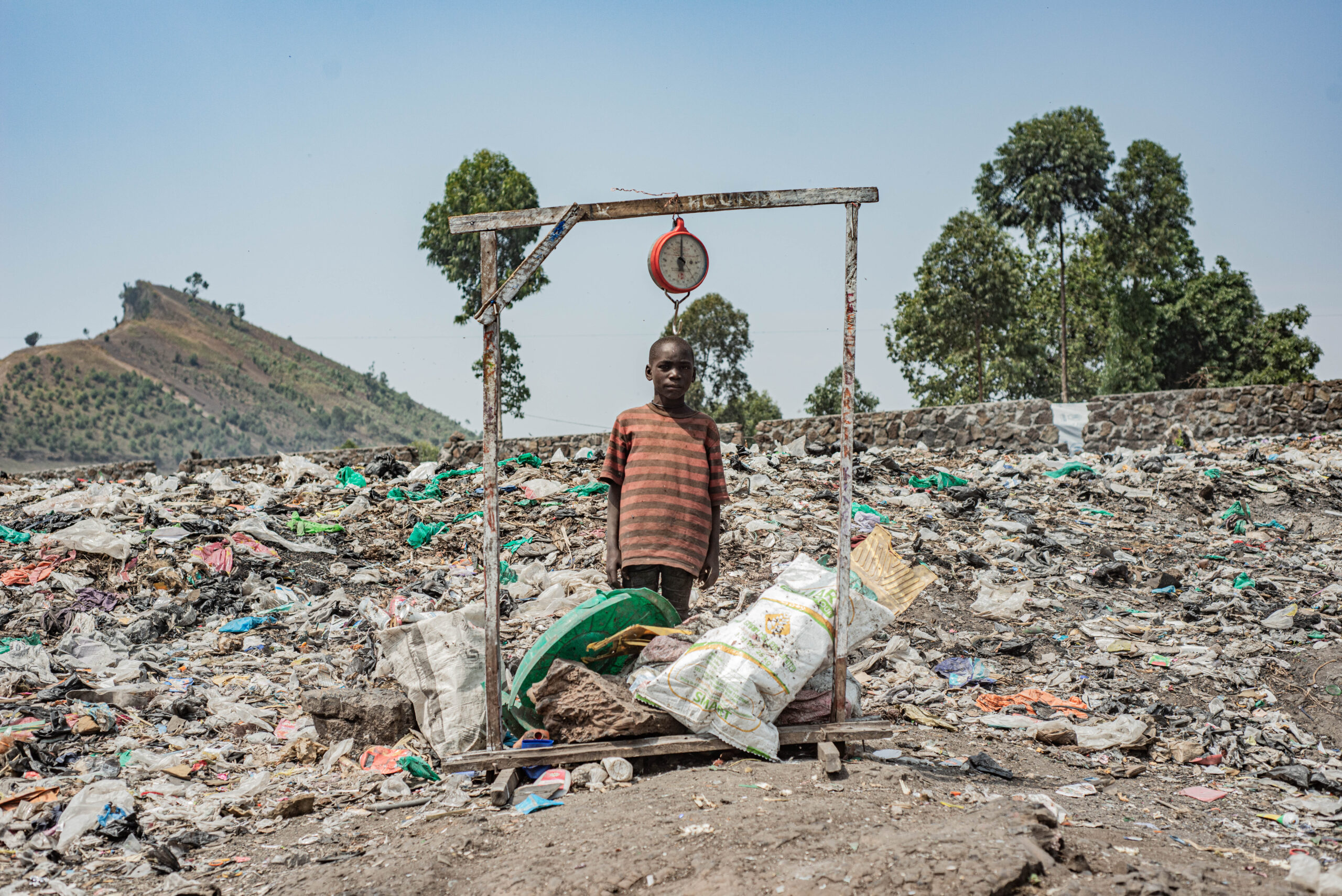
Goma’s streets tell a layered story: of brooms and jetons, of recycling kilns and informal labour, of control and civic duty under conflict.
Community clean-ups and local innovation offer partial relief. But without coordinated policy, sustained investment in waste management infrastructure, and measures to reduce plastic use at the source, the city’s efforts risk remaining temporary.
For now, plastic continues to move — from markets to streets, from drains to Lake Kivu — carrying with it the unresolved weight of a global crisis played out at local scale.


