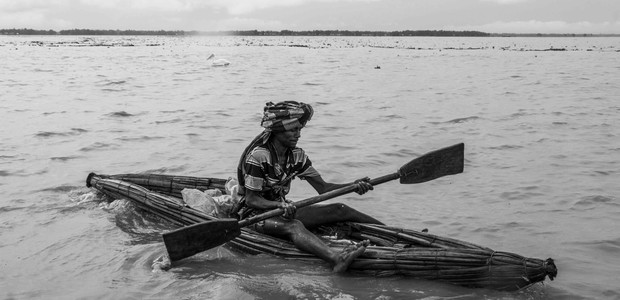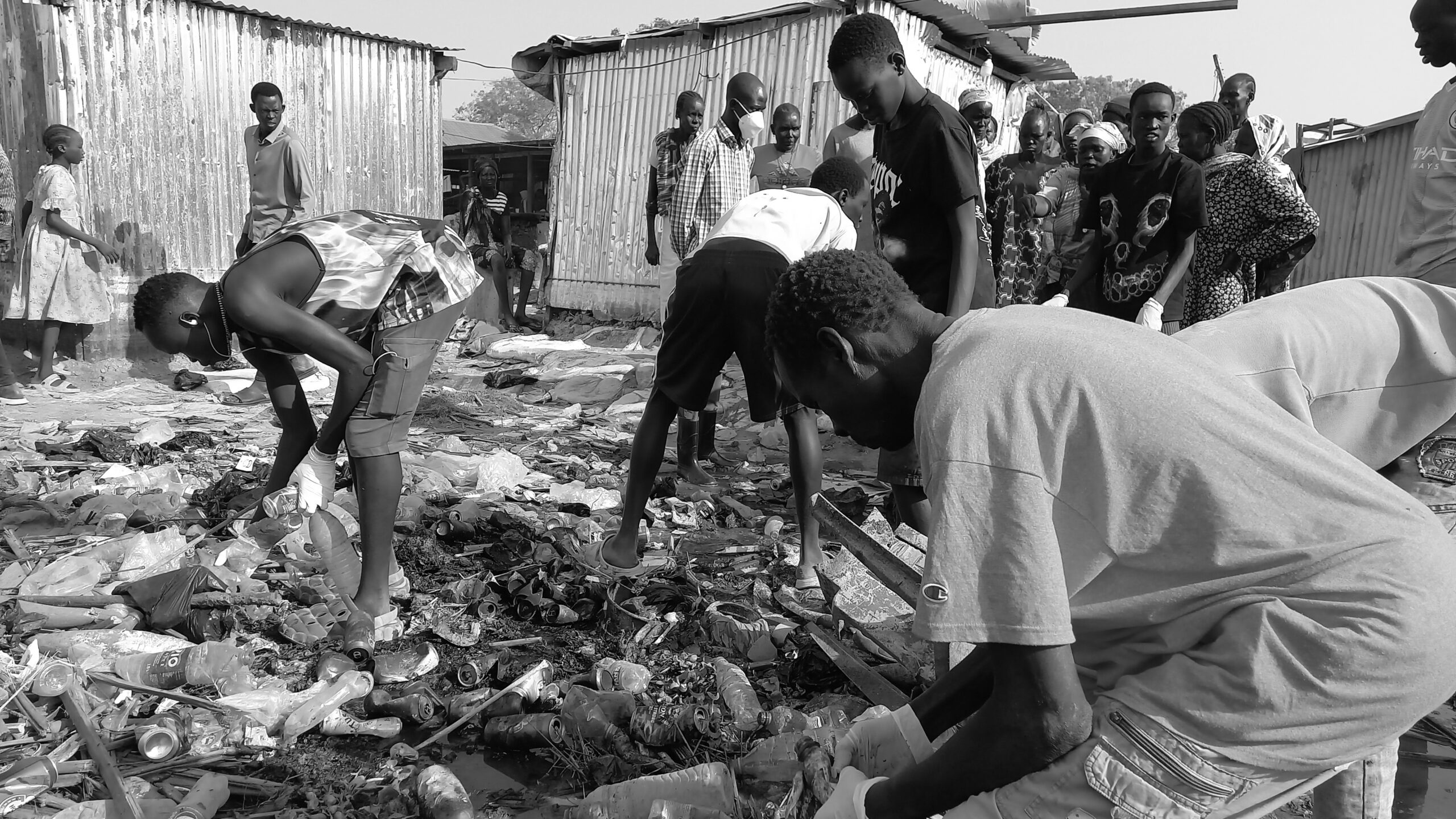
Plastic waste is accumulating along the banks of the River Nile in Bor town, where discarded sacks, bottles and packaging are increasingly visible near fishing and trading areas. The pollution is threatening the river that local communities depend on for water, food and income. According to various media sources, Ministry of Environment data from 2025 suggests, that South Sudan produces around 73 percent of its waste in plastic form.
In Bor, rubbish from households, markets and small-scale fish-processing activities often ends up close to the river. Formal waste collection is limited, particularly along riverbanks and informal trading areas, leaving plastic waste to be dumped nearby or washed into the Nile during floods.
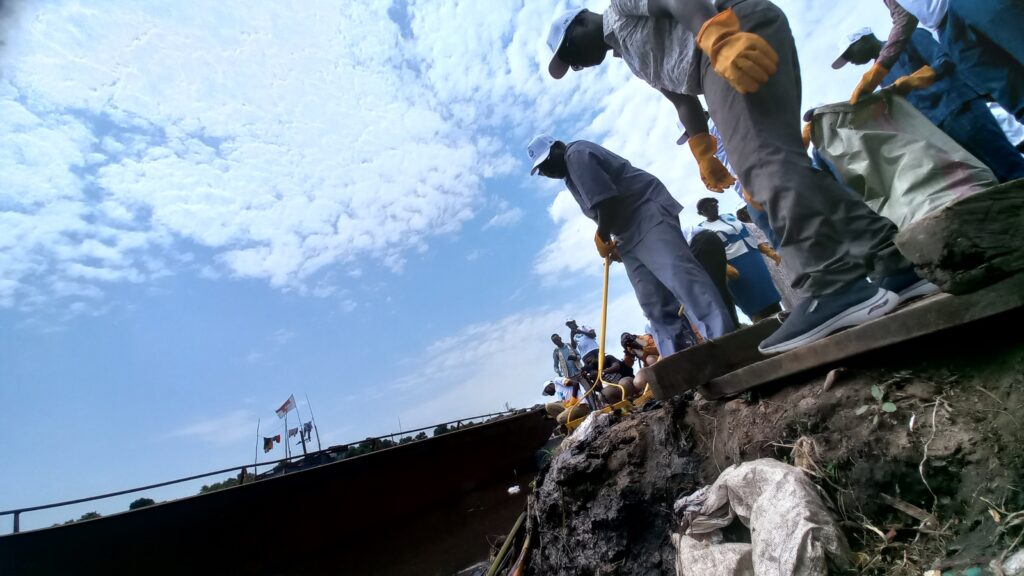
Environmental groups say the problem affects both the river and the surrounding community. “These garbage — they all end up in the Nile,” says Lueth Reng Lueth, an environmentalist with Community Action Against Plastic Waste South Sudan. “We don’t want to keep cleaning the river and leave the environment behind.”
Fish processing itself has added to the volume of waste along the riverbanks. The growing trade in dried and salted fish relies heavily on plastic sacks for storage and transport. According to a 2024 World Bank report, South Sudan Natural Resources Review, the country could earn up to 300 million US dollars annually from fish exports.
Used salt sacks are among the most visible plastic items left along the riverbanks. During the rainy season, flooding carries much of this waste directly into the Nile. Lueth Reng says the absence of waste-management systems along the river worsens the problem. “People living along the river don’t have a proper waste-management system. Everything from daily activities ends up in the Nile. When flooding comes, these plastic wastes are washed directly into the river,” he says.
For those working along the river, the trade-off between income and environmental risk is clear. Rachel Angeth, a fish trader in Bor, says the preservation method has improved earnings but created new challenges. “This method has brought profit, yes. But hygiene is a big problem,” she says. “We don’t have places to dump rubbish. We cannot wash our clothes and drink this water at the same time — it can cause waterborne diseases. Still, we do this business to educate our children.”
Community groups have organised clean-up campaigns for years, warning that plastic pollution affects health, livelihoods and the wider ecosystem. Majur Chuti Achiek, a food systems expert, agriculturist and co-founder of Doumkupuur Organic Farm, says the economic benefits come with long-term risks. “The work the communities are doing helps them earn income — no fish goes to waste,” he says. “But in future, our lives will be at risk because of the water we drink.”
Some organisations are testing alternative uses for plastic waste. In Juba, Save the Wildlife Organization South Sudan (SWOSS) recycles plastic bottles into construction materials. Ugalla Andrew Bukany Ujwok, the organisation’s Environment and Climate Change Coordinator, says the approach keeps plastics out of waterways. “There are many plastic bottles pouring into the Nile through drainage channels. We decided to use these bottles to build houses. Once they are used, they will never return to the river,” he says.
Since 2019, the initiative has helped build shelters for vulnerable families. “When I build a house for a family, those plastic bottles are removed forever. It has saved so many bottles from entering the Nile,” Ugalla adds.
Plastic pollution comes as South Sudan struggles with unsafe water and repeated disease outbreaks, particularly in flood-prone areas such as Jonglei State. According to a World Health Organization report issued in October 2025, recurrent outbreaks have been driven by frequent flooding and inadequate water and sanitation services.
In response, authorities and regional partners have taken steps. The Nile Basin Initiative handed over water-quality monitoring equipment to the Ministry of Water Resources in 2025. A deposit-refund scheme was also introduced by the Ministry of Environment, offering one US cent for every plastic bottle imported.
Environmental groups say enforcement remains weak and plastic imports continue to enter the country, despite these measures.
As Bor continues to depend on the Nile for fishing, water and livelihoods, environmentalists say reducing plastic pollution will require better waste management, safer processing practices and coordinated action from communities and authorities alike.
For now, the river keeps flowing — carrying both livelihoods and the waste left behind.